
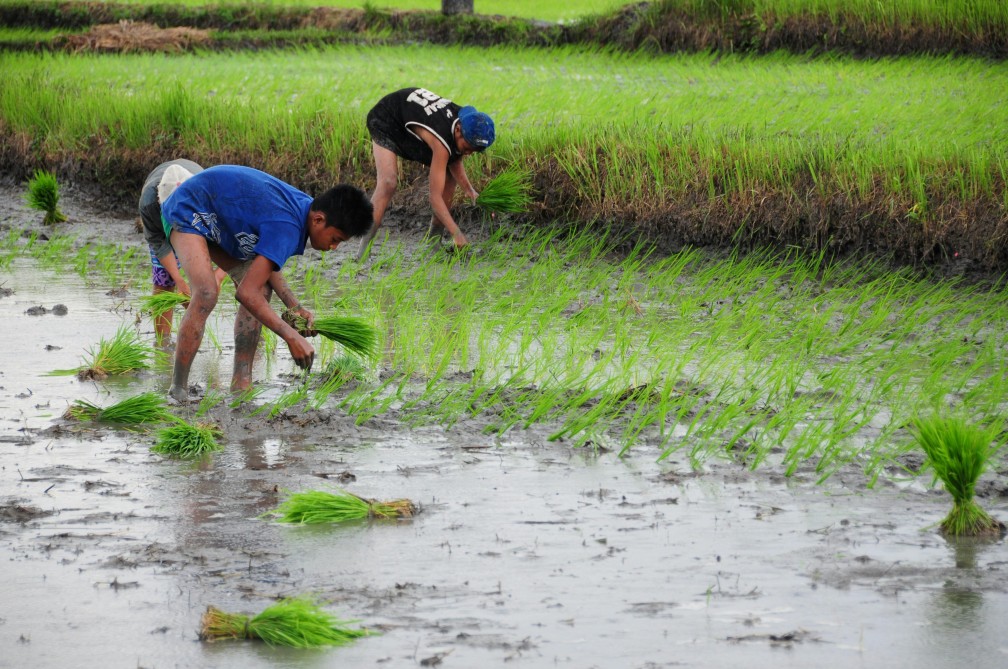
Asia's Most Essential Grain, Sourced from the World's Finest Origins
Overview
Rice is the world's most consumed staple grain, feeding more than 3.5 billion people across Asia, Africa, and beyond. It accounts for over 21% of all calories consumed globally - surpassing wheat at 19% - and serves as a lifeline food source across Asia, where it can contribute anywhere from 20% to 80% of total dietary energy depending on the region and economic strata. Across Mainland China, Korea, Singapore, and Malaysia, rice is not simply a commodity - it is a cultural cornerstone, and the quality of the grain matters deeply to the consumers, chefs, and food businesses who depend on it daily.
We source premium rice varieties from Vietnam, Thailand, Japan, and India, offering our clients across Asia a carefully curated portfolio that spans the full spectrum of culinary needs - from fragrant everyday table rice to premium specialty grains for the most discerning markets.
Two Major Types of Edible Rice
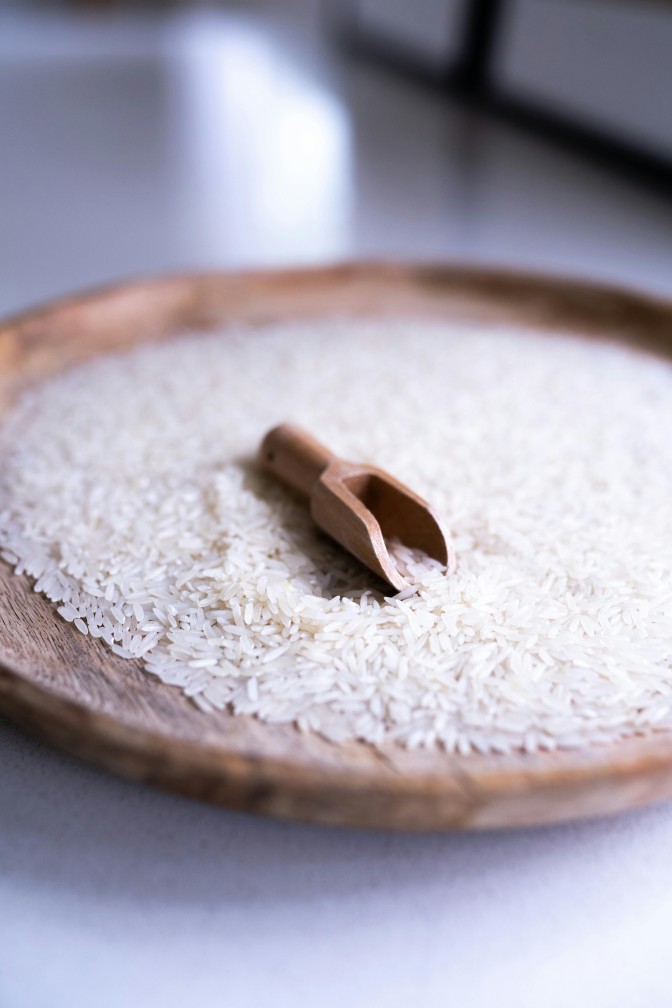
The global rice trade is defined primarily by two botanical subspecies, each with distinct grain characteristics, culinary properties, and regional followings.
Indica rice dominates global trade, accounting for 62% to 66% of all rice exported worldwide. Cultivated across India, Pakistan, Thailand, Vietnam, and Brazil, Indica varieties feature long, slender grains with higher amylose content, which causes the grains to remain separate and fluffy after cooking. This makes Indica the variety of choice for stir-fries, curries, biryanis, and everyday meals across South and Southeast Asia.
Japonica rice, by contrast, commands a smaller but premium share of global trade at 9% to 10%. Grown in Japan, Korea, Northern China, and California, Japonica varieties feature shorter, rounder grains with high amylopectin levels that produce a sticky, moist, and clingy texture after cooking. This characteristic makes Japonica essential for sushi, onigiri, and traditional East Asian cuisine - and commands a significant price premium in markets that prize its texture and sweetness.
Classifications by Grain Length
Beyond the Indica-Japonica distinction, rice is further classified by grain length, each category with its own cooking behaviour and culinary applications.
| Type | Dimensions | Texture | Example Varieties |
| Long Grain | 3-5x longer than wide | High amylose - separate, fluffy grains | Basmati, Thai Jasmine |
| Medium Grain | 2-3x longer than wide | Balanced starch - slightly creamy | Arborio, Calrose |
| Short Grain | Nearly round | High amylopectin - sticky, ideal for molding | Koshihikari, Sushi rice |
Color Variations and Nutritional Profile
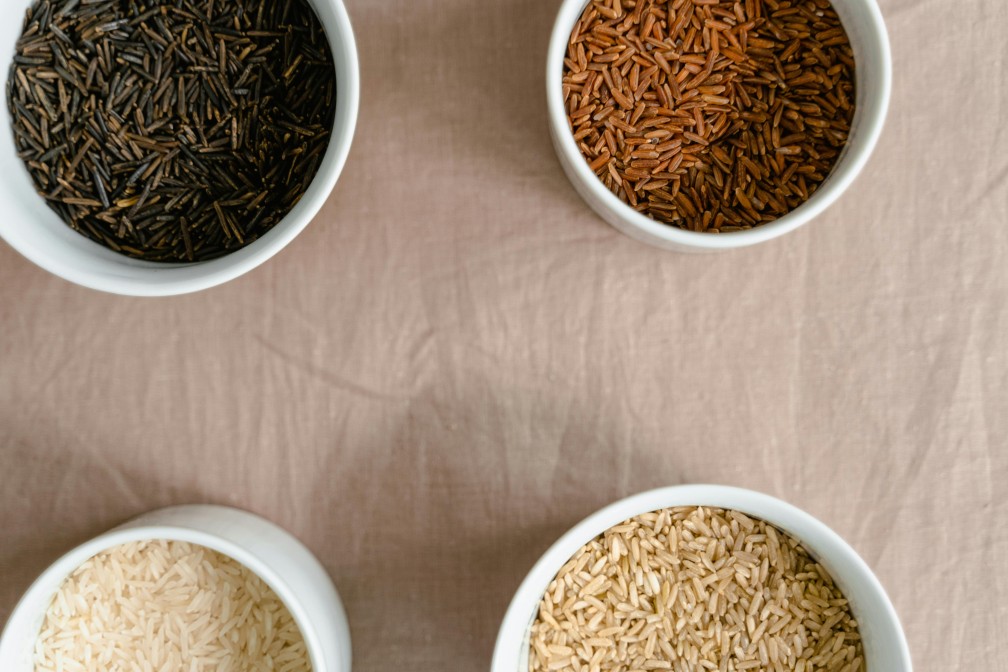
Rice is also traded and consumed across a spectrum of colors, each representing a different degree of milling and a different nutritional fingerprint.
- White rice: the most widely consumed form retains only the starchy endosperm after milling, making it easy to digest and quick to cook, though it is the least nutritionally dense of the four types.
- Brown rice: retains its outer bran layer and germ, delivering significantly higher dietary fiber and a nuttier flavor preferred by health-conscious consumers.
- Red rice: is rich in proanthocyanidins, antioxidant compounds that support cardiovascular health and have been shown to help improve anemia - making it a growing category in the functional foods segment.
- Black rice: increasingly marketed as a superfood, contains high concentrations of anthocyanins that give it its distinctive color and powerful antioxidant properties, with strong appeal in premium health food retail channels.
Regional Varieties and Sourcing Origins
We source from four of Asia's most respected rice-producing nations, each contributing a distinct variety and price point to our portfolio.
| Origin | Key Variety | Culinary Profile | Price (USD/MT, 5% Broken) |
| Vietnam | White Rice | Clean, neutral flavour - versatile everyday rice | $400 - $415 |
| Thailand | Jasmine | Floral aroma, soft texture, slightly sweet | $381 - $385 |
| Japan | Koshihikari | Sweet, sticky, firm - ideal for sushi and onigiri | Premium grade |
| India | Basmati | Nutty fragrance, long non-sticky grains | $349 - $353 |
Vietnam
Vietnam is one of Asia's most prolific rice exporters, offering consistent volume and competitive pricing that makes it a cornerstone of our supply chain. The Mekong Delta, with its fertile soils and year-round growing conditions, produces large, stable harvests that support predictable supply across multiple growing seasons - making Vietnam the reliable foundation of our everyday rice offering.
Thailand
Thai Jasmine rice is among the most recognized premium rice varieties in the world. Originating from Thailand's central plains, it is characterized by a delicate floral aroma, soft texture after cooking, and a slightly sweet flavor profile that makes it exceptionally popular for stir-fries, curries, and steamed rice dishes throughout Asia. Thailand's stringent export quality standards ensure that every shipment meets the expectations of both retail and food service buyers.
Japan
Japanese Koshihikari is the gold standard of Japonica rice and one of the most sought-after premium varieties in the world. Grown in Japan's mountainous regions under careful agricultural management, Koshihikari delivers a sweet, sticky, and firm texture that is perfectly suited for sushi, onigiri, and traditional Japanese home cooking. Its expansion into our sourcing portfolio directly addresses the growing appetite for premium Japanese ingredients across Mainland China, Korea, and Singapore.
India
India is the world's largest rice exporter by volume, and its Basmati rice from the Indo-Gangetic plains represents one of the most globally recognized rice varieties. With its distinctive nutty fragrance, long slender grains, and non-sticky texture after cooking, Basmati is the defining rice for biryani, pilaf, and South Asian cuisine. Our expansion into Indian sourcing broadens our portfolio's price range and culinary diversity, offering value-focused buyers access to a celebrated variety at competitive price points.
A Pillar of Global Nutrition
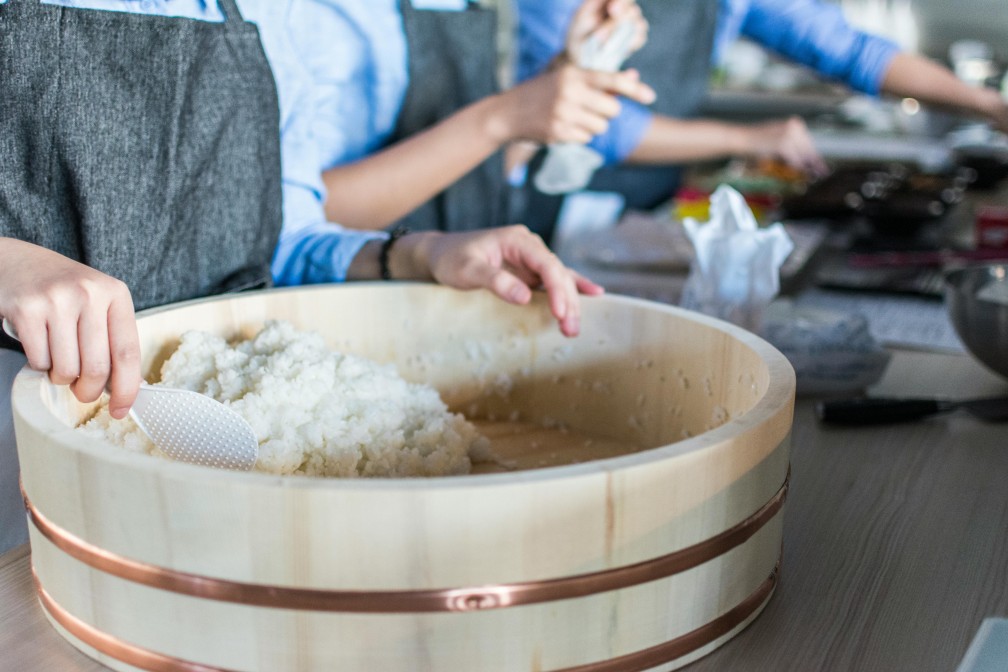
Rice's nutritional role extends well beyond Asia. Globally, it surpasses all other grains as a source of dietary energy, and its land efficiency allows rice-growing regions to support up to four times the population density of wheat-growing areas. Africa represents the fastest-growing rice demand market in the world, driven in part by a dietary shift away from traditional staples like cassava - a trend that mirrors rice's historical penetration across Asia and signals strong long-term demand fundamentals for global rice traders.
For buyers and importers, this translates directly into supply security and commercial opportunity. Rice is a product with irreplaceable dietary significance, enduring consumer loyalty, and a growing global footprint.
Our Current Markets
- Mainland China: Primary market, driven by strong Japonica demand in first and second-tier cities alongside consistent Indica consumption in southern regions.
- Korea: Premium Japonica-focused market with high quality expectations and strong affinity for Japanese and Korean-style short grain varieties.
- Singapore: Diverse, cosmopolitan market consuming across all rice types, with strong demand for Thai Jasmine and premium specialty varieties.
- Malaysia: Growing market for everyday white rice and fragrant Jasmine varieties, with expanding health-conscious demand for brown and specialty rice.
| 🇨🇳 Mainland China | 🇰🇷 Korea | 🇸🇬 Singapore | 🇲🇾 Malaysia |
| Primary Market | Premium Market | Diverse Consumption | Growing Market |
| Strong Japonica demand in first- and second-tier cities. | High demand for premium Japonica rice varieties. | Cosmopolitan market consuming all rice types. | Expanding demand for everyday white rice and fragrant Jasmine rice. |
| Consistent Indica consumption in southern regions. | Strong affinity for Japanese and Korean short-grain rice. | Strong demand for Thai Jasmine and specialty varieties. | Increasing interest in brown and specialty rice from health-conscious consumers. |
Why Choose Our Rice?
- Multi-Origin Sourcing: Strategic procurement from Vietnam, Thailand, Japan, and India ensures variety, price flexibility, and supply continuity across seasons and market conditions.
- Comprehensive Grade Selection: From competitively priced everyday white rice to premium Jasmine and Koshihikari, our portfolio serves food service, retail, and institutional buyers at every price point.
- Quality-Assured Supply Chain: All sourcing origins adhere to international food safety and export quality standards, with rigorous testing and documentation for every shipment.
- Market-Responsive Portfolio: Our expanding sourcing from Japan and India directly addresses the evolving preferences of premium Asian consumers who increasingly demand both variety and provenance transparency.